
BBG Advanced Therapies collects first cell donation on one-of-a-kind bus

A New Blood Group Was Discovered. What Does That Mean for Transfusion Medicine?

Emerging discoveries in blood group science highlight the need for advanced testing, donor diversity, and adaptable strategies across transfusion medicine and biotherapeutics.

A new blood group discovery, now recognized as the 48th worldwide, is drawing attention across the transfusion medicine community. While rare, discoveries like this raise important questions about compatibility, testing, and how prepared healthcare systems are to support increasingly complex patient needs.

Why Are New Blood Groups Still Being Discovered?

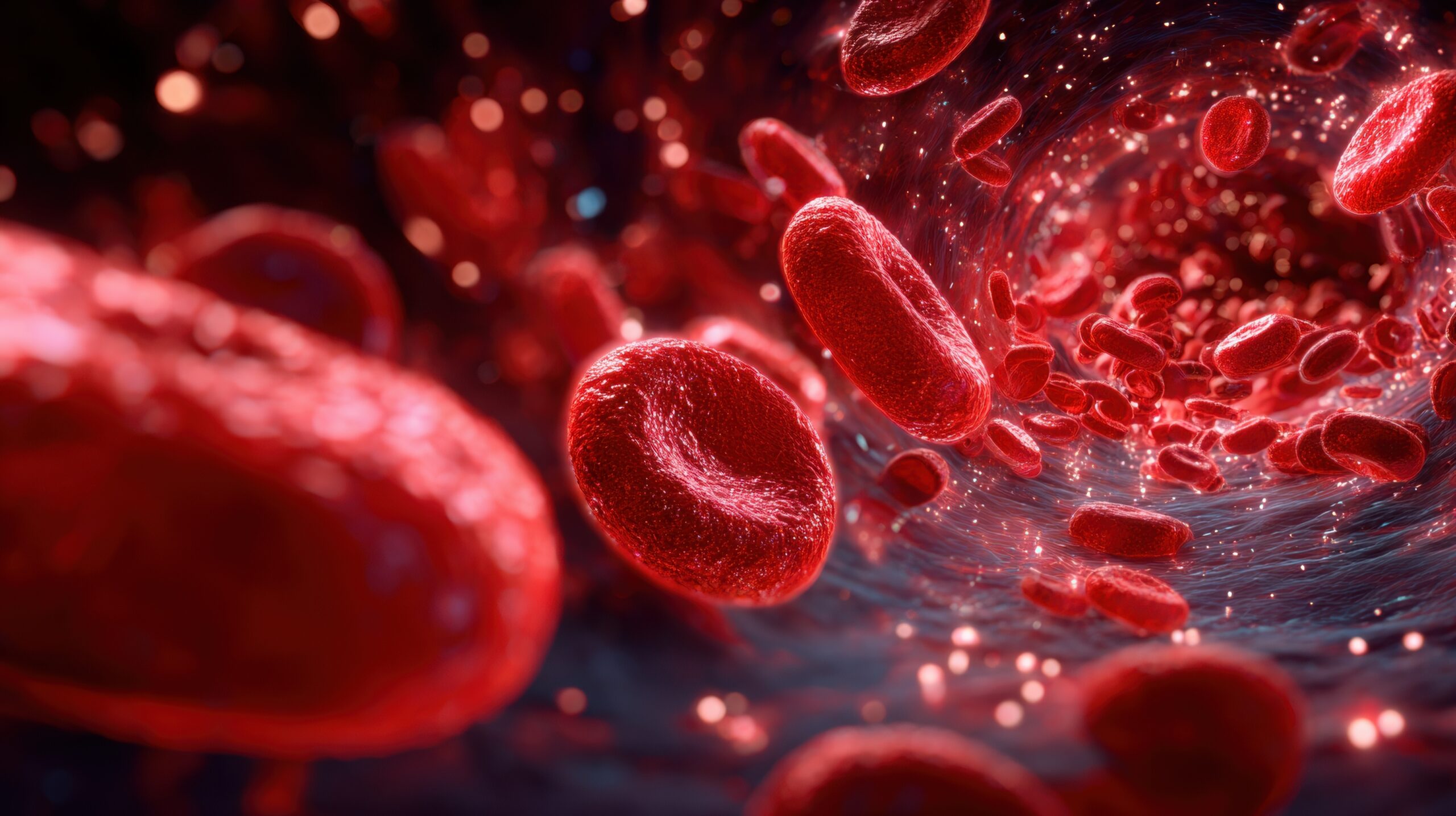
Blood group systems are defined by specific antigens on the surface of red blood cells, and while most are well understood, rare genetic variations can still emerge. Advances in genomic sequencing are making it easier to identify these differences, even years after an initial anomaly is detected.

According to reporting by Newsweek, this latest discovery began with an unusual antibody identified during routine testing — a reminder that even established processes can reveal gaps in current knowledge.

What Challenges Do Rare Blood Groups Create for Patients?

For patients with extremely rare blood types, compatibility becomes a significant concern. In some cases, there may be no readily available donors, which can complicate both routine care and emergency treatment.

These scenarios highlight the importance of rare donor registries, international collaboration, and the ability to quickly identify compatible matches. They also reinforce the need for precision in pre-transfusion testing to avoid adverse reactions.

How Does This Impact Testing, Manufacturing, and Blood Centers?

As new blood group systems are identified, testing protocols must evolve alongside them. Laboratories play a critical role in detecting rare antibodies, confirming compatibility, and supporting clinicians in complex cases.

Beyond testing, these discoveries also highlight the importance of scalable, well-controlled manufacturing processes and analytical methods that can support emerging therapies and complex biological materials. Across the industry, organizations must be equipped to manage both routine needs and highly specialized scenarios.

Scott Jones, Senior Vice President and Chief Scientific Officer, explains:  

“We forget sometimes that biological systems are constantly evolving. This evolution led to the generation of the 48th blood group system. Thanks to new genetic analysis tools scientists were able to isolate and characterize the mutation which created the Gwada blood group system. It is mind blowing to think that there is currently only one person in the world with this blood type. This discovery underscores the importance of transfusion medicine and the need to keep developing new and better analytical methods.”

What Does This Mean for the Future of Transfusion Medicine?

While discoveries like this are uncommon, they reinforce a broader reality: transfusion medicine is not static. Scientific advancements, genetic diversity, and emerging technologies will continue to shape how blood is classified, tested, and matched.

At BioBridge Global, this evolving landscape underscores the importance of advanced testing, robust manufacturing capabilities, and strong donor networks. Across our laboratory services, biomanufacturing, and donor programs, we support the infrastructure needed to respond to both routine and highly complex scenarios in transfusion medicine and advanced therapies.

Source: This article references reporting by Newsweek on the discovery of a newly identified blood group system.
Choosing a biomanufacturing service organization (BSO): from the perspective of a BSO

Rohini Thevi Guntnur, Ray Rendon III, Joseph Higdon, Deidre Cacchillo, and Rogelio Zamilpa

Therapeutic efficacy, reliability, and availability of cell, gene, and tissue-derived therapies have increased the demand exponentially for effective translation of these therapies from bench-scale innovation to clinical grade manufacturing. The decision to select a biomanufacturing service organization (BSO) is critical as early translational efforts are typically limited in funding but with aggressive timelines.

While sponsor perspectives on selecting a BSO are widely available, this guide offers the BSO point of view as a foundational framework for choosing a manufacturing partner aligned with both operational excellence and patient-focused outcomes for your cell, gene, and tissue-derived products. To expedite the manufacturing process, this framework emphasizes integrated collaboration and readiness across key capabilities including process development (PD), technology transfer, facility and technical infrastructure, quality systems, regulatory expertise, and collaboration models.

What is a biomanufacturing service organization?

A biomanufacturing service organization (BSO) is similar to a CDMO in that both
provide product development and manufacturing support for therapeutic programs offering many overlapping capabilities and services.

However, a BSO has direct control of the manufacturing process including the sourcing of starting materials from properly consented donors, biomanufacturing services, advanced therapies testing, and clinical research. A BSO that operates as a full‑service biomanufacturing facility is dedicated to translating and optimizing early-stage cell and cell‑based processes to scale for commercial‑ready production.

Furthermore, this model has a collaborative process with the sponsor providing solutions from A to Z rather than contractual, which builds a more solution-driven approach.

Cell, gene, and tissue-derived therapies date back to the 19th century. The global market size for cell therapies is estimated by some to reach USD 20.07 billion [1], and for gene therapies to reach US$18.20 billion by 2030 [2]. To date, there are 47 cell, gene, and tissue-derived licensed products 204 approved by the Office of Therapeutic Products and listed by manufacturers [3].

Cell therapies exist in a variety of forms and may include autologous or allogeneic treatments, genetic modifications, specific formulations, and different forms of administration including injectables and combination products using bioscaffolds, all of which impact the manufacturing process [4]. Manufacturing cell, gene, and tissue-derived therapies can be challenging for a variety of reasons….

Access the expert insight paper to read more.

Works Cited

Grand View Research. Cell Therapy Market Size, Share and Growth Report, 2030. Grand View Research, https://www.grandviewresearch.com/industry-analysis/cell-therapy-market.

Grand View Research. Gene Therapy Market Size, Share & Trends Report, 2030. Grand View Research, https://www.grandviewresearch.com/industry-analysis/gene-therapy-market.

U.S. Food and Drug Administration. Approved Cellular and Gene Therapy Products. 18 Mar. 2026, https://www.fda.gov/vaccines-blood-biologics/cellular-gene-therapy-products/approved-cellular-and-gene-therapy-products.

El-Kadiry, A. E., et al. “Cell Therapy: Types, Regulation, and Clinical Benefits.” Frontiers in Medicine, vol. 8, 2021, article 756029.