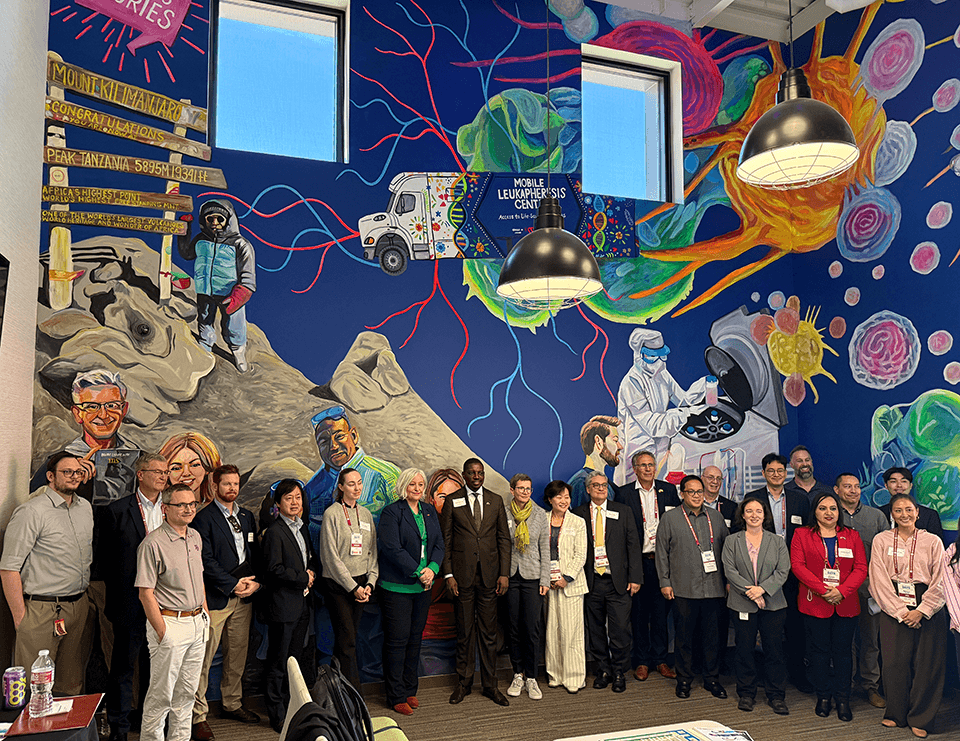
BBG Advanced Therapies collects first cell donation on one-of-a-kind bus

San Antonio Pride blood drive returns to Bonham Exchange

South Texas Blood & Tissue partners with Bonham Exchange to encourage blood donation and celebrate Pride Month

SAN ANTONIO – South Texas Blood & Tissue and Bonham Exchange are inviting the community to celebrate Pride Month while helping save lives through blood donation. The San Antonio Pride blood drive will take place on June 16 and offers donors an opportunity to support local patients while receiving a special thank-you gift.

Summary:

South Texas Blood & Tissue is partnering with Bonham Exchange to host a community blood drive that supports patients across South Texas while celebrating Pride Month.

Bonham Exchange Blood Drive
Tuesday, June 16
2 p.m. – 6 p.m.
411 Bonham
San Antonio, TX 78205

  • Donors who give blood will receive an exclusive tank top or insulated tote bag as a thank-you gift.
  • Since the FDA regulation changes, South Texas Blood & Tissue has regularly partnered with the Bonham Exchange to collaborate with our LGBTQ community.
  • Schedule an appointment by visiting SouthTexasBlood.org or calling 833-YOU-GIVE.

Changing with the times:

  • In 2023, the U.S. Food and Drug Administration changed its guidelines for blood donations by gay and bisexual men, basing eligibility on individual risks for exposure to HIV instead of simply on sexual orientation.
  • The FDA guidance updated eligibility screening procedures based on both scientific research and results from blood centers in the United Kingdom and Canada.
  • According to Americas Blood Centers, a blood transfusion occurs in the United States every two seconds. South Texas Blood & Tissue works hard to keep up with that demand.
  • One donation can save up to three lives.

Frequently asked questions:

  • How do I donate blood?
    • To donate blood with South Texas Blood & Tissue, schedule your donation at SouthTexasBlood.org, bring your photo ID, complete a brief questionnaire, and sit back, relax, and save lives.
  • What can I get for donating blood?
    • For this blood drive, donors will receive an exclusive tank top or insulated tote bag.

###

About South Texas Blood & Tissue:
South Texas Blood & Tissue is a nonprofit community blood center that provides blood, plasma, platelets and other blood components to 110 hospitals in 49 South Texas counties. It is the largest blood supplier in the region. Through the generous life-legacy gifts of human tissue, South Texas Blood & Tissue also supports development of tissue allografts for patients in need of reconstructive surgery, repair or tissue regeneration. South Texas Blood & Tissue has a 50-plus years of service to the South Texas community and is part of the BioBridge Global family of nonprofit organizations, which offers services in regenerative medicine and research, including blood banking and resource management; cellular therapy; umbilical cord blood collection and storage; donated human tissue recovery and distribution for transplant; and testing of blood and plasma products to help patients in the United States and worldwide. South Texas Blood & Tissue has nine donor centers in South Texas and conducts hundreds of mobile blood drives each year. Learn more at SouthTexasBlood.org.

World Blood Donor Day highlights urgent need for blood donations in South Texas

Blood donors are thanked for their lifesaving generosity as summer shortages and recent emergencies place additional pressure on the community blood supply

 SAN ANTONIO – Every year on June 14, the world comes together to celebrate World Blood Donor Day, a tribute to raise awareness of the need for safe blood and to thank unpaid donors for their gift of lifesaving blood. South Texas Blood & Tissue wants to thank donors for their generosity and encourage first-timers donors.

It comes at a crucial time, especially as donations sharply dwindle during the summer months.

South Texas Blood & Tissue responded to the Midland incident on June 12, providing multiple units to support the victims. The blood supply has been significantly impacted by the tragedy.

South Texas Blood & Tissue is currently #OnCall and are asking our community to come together and help us replenish our shelves. Donors are urgently needed to ensure we can continue caring for patients in emergencies, surgeries, cancer treatments and other critical needs.

If you are eligible, please consider donating blood as soon as possible.

Tina Garcia, a longtime blood donor, volunteer, and advocate, understands the importance of blood donation from both sides. After a routine medical procedure led to life-threatening complications, donated blood helped save her life. Today, she continues encouraging others to donate and help ensure blood is available when patients need it most.

“Who knew I’d be the one in the hospital needing blood?” Tina said. “Nobody knows when a tragedy is going to happen. Someone out there will always need a donation.”

 Tina’s experience inspired her to learn about more ways to help patients, including platelet donation. Platelets are a vital blood component used for patients facing serious medical conditions. Platelets can be donated every 8 days, for a total of 24 times a year. Whole blood donations can be done every 56 days, or up to 6 times annually.

“If you can donate, do it,” she said. “You never know whose life you might save.”

This World Blood Donor Day, make a difference in your community! Appointments are available by visiting SouthTexasBlood.org/Give or calling 833-YOU-GIVE (833-968-4483).

Summary:

  • June 14 is World Blood Donor Day.
  • Donations dwindle during the summer
  • Platelets can be donated every 8 days, a total of 24 times a year. Whole blood donations can be done every 56 days, or up to 6 times annually.
  • Appointments are available by visiting SouthTexasBlood.org/Give or calling 833-YOU-GIVE (833-968-4483).

Important stats:

  • You can donate blood if you’ve had a tattoo or live with diabetes.
  • In many countries, there is not an adequate supply of safe blood.
  • Donated blood is essential to healthcare systems everywhere, supporting patients during emergencies, childbirth, surgeries, cancer treatment, and other serious conditions.

Frequently asked questions:

How do I donate blood in San Antonio?
Schedule an appointment at SouthTexasBlood.org, bring a photo ID, complete a brief questionnaire, and give!.

What do I get for donating blood?
Anyone who gives will receive donor points that can be redeemed at our Donor store.

Why are type O blood donors especially needed?
Type O blood is the most common type in South Texas, and certain units of type O can be used in emergencies.

Voice-over:

June 14 is World Blood Donor Day, and South Texas Blood & Tissue wants to thank you for your donation! As donations drop during this time, we encourage new donors and volunteers to visit our chairs. Blood can be given every 56 days, or platelets can be given every 8 days!

Schedule an appointment and help make a lifesaving difference for patients across South Texas.

###

About South Texas Blood & Tissue: South Texas Blood & Tissue is a nonprofit community blood center that provides blood, plasma, platelets and other blood components to 110 hospitals in 49 South Texas counties. It is the largest blood supplier in the region. Through the generous life-legacy gifts of human tissue, South Texas Blood & Tissue also supports development of tissue allografts for patients in need of reconstructive surgery, repair or tissue regeneration. South Texas Blood & Tissue has a 50-plus years of service to the South Texas community and is part of the BioBridge Global family of nonprofit organizations, which offers services in regenerative medicine and research, including blood banking and resource management; cellular therapy; umbilical cord blood collection and storage; donated human tissue recovery and distribution for transplant; and testing of blood and plasma products to help patients in the United States and worldwide. South Texas Blood & Tissue has nine donor centers in South Texas and conducts hundreds of mobile blood drives each year. Learn more at SouthTexasBlood.org

Stem the bleeding: Rising to meet the growing demand for CGT starting material

Cell and gene therapies (CGTs) are opening new possibilities for patients with cancer, rare diseases, blood disorders, and autoimmune conditions. As these groundbreaking therapies move toward broader adoption, the healthcare community has an opportunity to strengthen the donor and collection infrastructure that helps make them possible.

In a new collaborative article, leaders from BioBridge Global, America’s Blood Centers, Vitalant, and Terumo Blood and Cell Technologies discuss how strategic partnerships, community engagement, and forward-thinking infrastructure investments can help ensure access keeps pace with scientific progress.

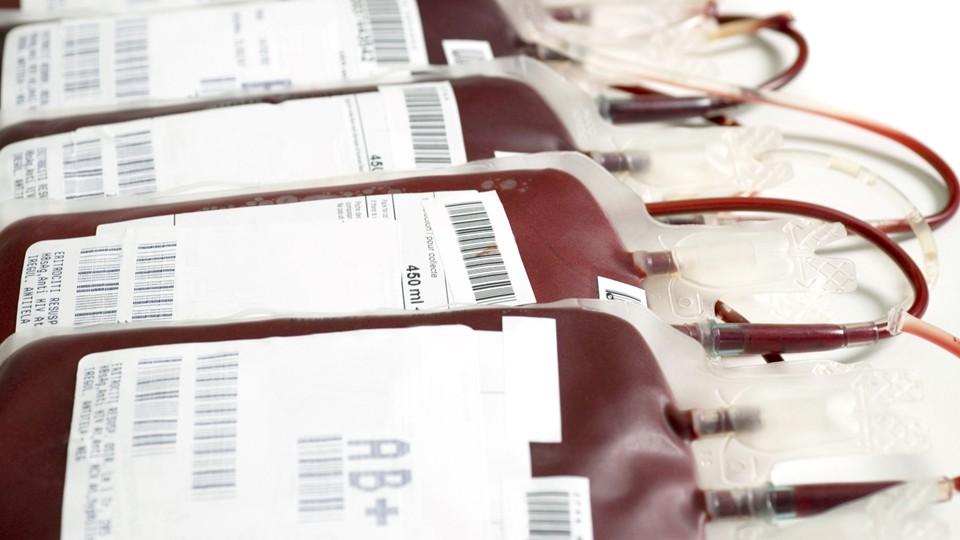
Labeled blood donation bags filled with blood
Donated blood bags prepared for storage and transfusion. Each unit is carefully labeled and ready for use.

Why Is There a Shortage of CGT Starting Material?

The challenge is not a sudden crisis. It is the result of long-term trends converging at the same time.

Several factors are driving the supply gap:

An Aging Donor Population

Many blood centers continue to rely heavily on donors over the age of 50. While these donors remain essential, younger donor participation has not kept pace with future demand.

The COVID-19 pandemic further disrupted recruitment efforts among younger generations, creating a gap that blood centers are still working to rebuild.

Expanding Demand for Advanced Therapies

CGTs are moving beyond rare diseases and oncology into much larger patient populations.

Autoimmune indications, for example, could dramatically increase demand for cellular starting materials. At the same time, CAR-T therapies are being used earlier in treatment pathways, expanding the number of eligible patients.

Increased Need for Specialized Collections

Many advanced therapies require highly specific donor profiles and collection procedures.

Patients with conditions such as sickle cell disease may require multiple blood support interventions, including red cell exchanges and specialized cell collections, before therapy manufacturing can begin.

This creates additional pressure on an already constrained donor ecosystem.

Why Are Blood Centers Essential to the Future of Cell Therapy?

Blood centers serve as the operational backbone of donor recruitment, collection, testing, processing, and distribution.

Over decades, they have developed infrastructure capable of supporting complex biological collections at scale.

Today, blood centers are expanding their role to meet the needs of advanced therapies through:

  • Mobile leukapheresis programs
  • Decentralized collection networks
  • Hub-and-spoke operating models
  • Specialized donor recruitment initiatives
  • Rare donor identification programs
  • Expanded apheresis capabilities

These investments help bring collection services closer to patients and donors while maintaining quality and regulatory compliance.

How Can the Industry Increase Access to Donors?

Growing the donor base requires a combination of innovation, education, and community engagement.

Successful strategies include:

  • Reaching Younger Donors
  • Blood centers are increasingly using:
  • Digital-first outreach
  • Hyperlocal social media campaigns
  • Mobile scheduling platforms
  • Community-based collection programs

These approaches help engage younger generations who may not respond to traditional donor recruitment methods.

Read the full article to learn how collaboration across the blood, biotherapies, and cell and gene therapy ecosystem is helping build a stronger foundation for the future of medicine.

Access the full article

This article was contributed by Adrienne Mendoza, Chief Operating Officer of BBG Advanced Therapies and Senior Vice President of BioBridge Global; Kate Fry, President and CEO of America’s Blood Centers; Joy Duemke, Global Executive at Terumo Blood and Cell Technologies (Terumo BCT); and Brianna Schoen, Vice President of Scientific Development at Vitalant.